The Cali Cartel: How Polite Gangsters in Silk Suits Turned Cocaine Into a Boardroom Fantasy
They wore glasses, spoke softly, and ran the largest cocaine empire on earth. The Cali Cartel was the vanity project of polite old men who mistook silk suits for innocence.
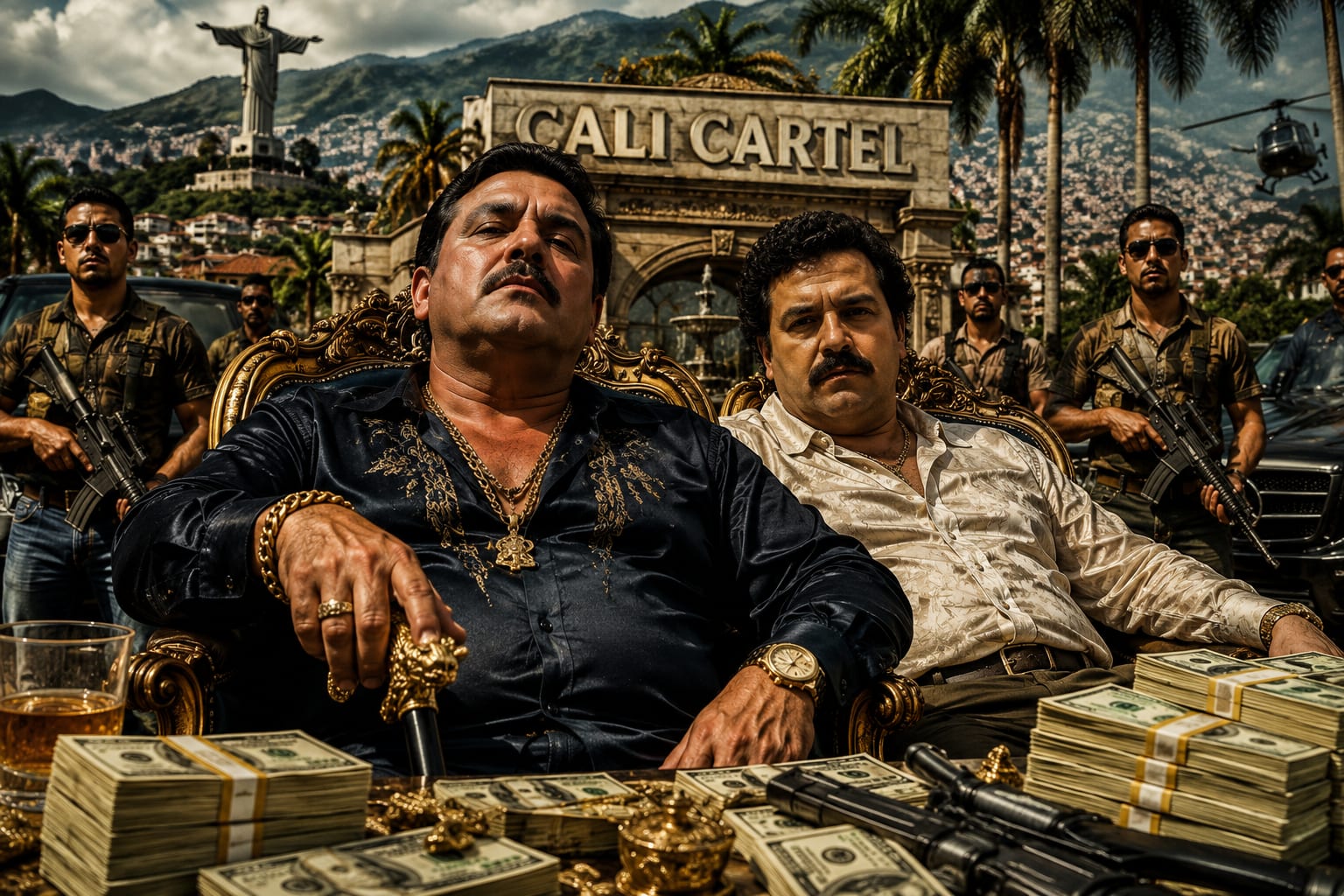
The most dangerous men in Colombia never fired a gun. They signed invoices.
While the world clutched its pearls over the flamboyant explosions of a certain Medellin madman, four bespectacled accountants in Cali sipped imported whiskey and quietly built the largest cocaine empire the planet had ever swallowed. They wore reading glasses. They carried briefcases. They looked like the men who deny your mortgage application, and in a way, they were.
The Gentlemen Who Killed With Spreadsheets
Meet the Rodriguez Orejuela brothers, Gilberto and Miguel, the smiling patriarchs of what they called the professional way to poison the West.
Gilberto earned the nickname the Chess Player, which is exactly the kind of vanity you would expect from an aging man who wanted to be remembered as an intellectual instead of a drug peddler. He did not want to be feared. He wanted to be respected, and there is nothing more tragically hilarious than a billionaire begging the universe for a compliment.
They did not blow up airplanes. They bought the airline. They did not shoot politicians. They put politicians on payroll and mailed them Christmas cards.
This was their genius and their delusion. They believed that wearing a tailored suit while flooding cities with cocaine made them businessmen rather than butchers. The dry cleaning bill does not launder the soul.
A Criminal Empire That Feared Bad Manners
The Cali men were obsessed with appearances, the way all rich old men eventually become obsessed with the mirror that keeps betraying them.
They funded a soccer team. They bought a chain of drugstores, which is a punchline so perfect no writer could invent it. Imagine building your fortune on one white powder and then selling aspirin to cure the headache.
They controlled roughly the majority of the cocaine reaching American nostrils in their golden years, and they did it with the emotional temperature of a tax attorney.
The Surveillance State of Paranoid Kings
Here is where the comedy curdles into something darker.
The brothers were rumored to have wiretapped their own city. Phone records. Informants. A vast nervous system of eyes and ears, all because deep down, every powerful old man knows the same terrible secret:
Everyone around him is only there for the money, and the moment the money stops, the smiles evaporate like cheap cologne.
This is the transactional truth these men refuse to say out loud. The beautiful young companions, the loyal lieutenants, the politicians shaking their liver-spotted hands. It was all rent. And the Rodriguez brothers, clever as they pretended to be, spent millions trying to spy their way into feeling loved.
The Empire of Denial
What makes the Cali story so deliciously absurd is the self-image these men marketed.
They told themselves they were clean. Sophisticated. Nothing like the vulgar cowboys of Medellin. They handed out money to the poor and imagined this made them saints rather than salesmen with a public relations budget.
- They wore glasses to look scholarly.
- They spoke softly to seem civilized.
- They gave to charity to feel absolved.
- They collected art to appear cultured.
Every gesture was a costume. Underneath the cashmere was the same shivering vanity that haunts every man who accumulates too much and understands too little.
The Fall Nobody Mourned
The kingdom collapsed the way all kingdoms of aging men collapse, quietly and with paperwork.
By the mid nineteen nineties the brothers were hunted down one by one, dragged from their comfortable hiding spots. No blaze of glory. No final gunfight worthy of the movies they surely fantasized about. Just handcuffs and cameras and the sudden ordinariness of two men who thought their intelligence made them immortal.
They eventually landed in American prisons, where the tailored suits became jumpsuits and the whispered orders became memories. The empire of politeness ended in a concrete room that smelled of bleach.
The chessboard was flipped, and it turned out the Chess Player was just another old man who confused a body count with a business plan. The drugstores stayed open. The soccer team kept playing. And the cocaine, indifferent to the vanity of the men who sold it, simply found new hands to make rich and new hearts to make cold.