CIA Car Bombing In Mexico: Allegations Of Extrajudicial Killings Raise Fears
Reports suggest a March pickup explosion north of Mexico City that killed two alleged cartel members may be linked to CIA operations. The claims, amid recent US intelligence deaths and a US terrorist label for cartels, raise fears of illegal covert action and violent blowback.
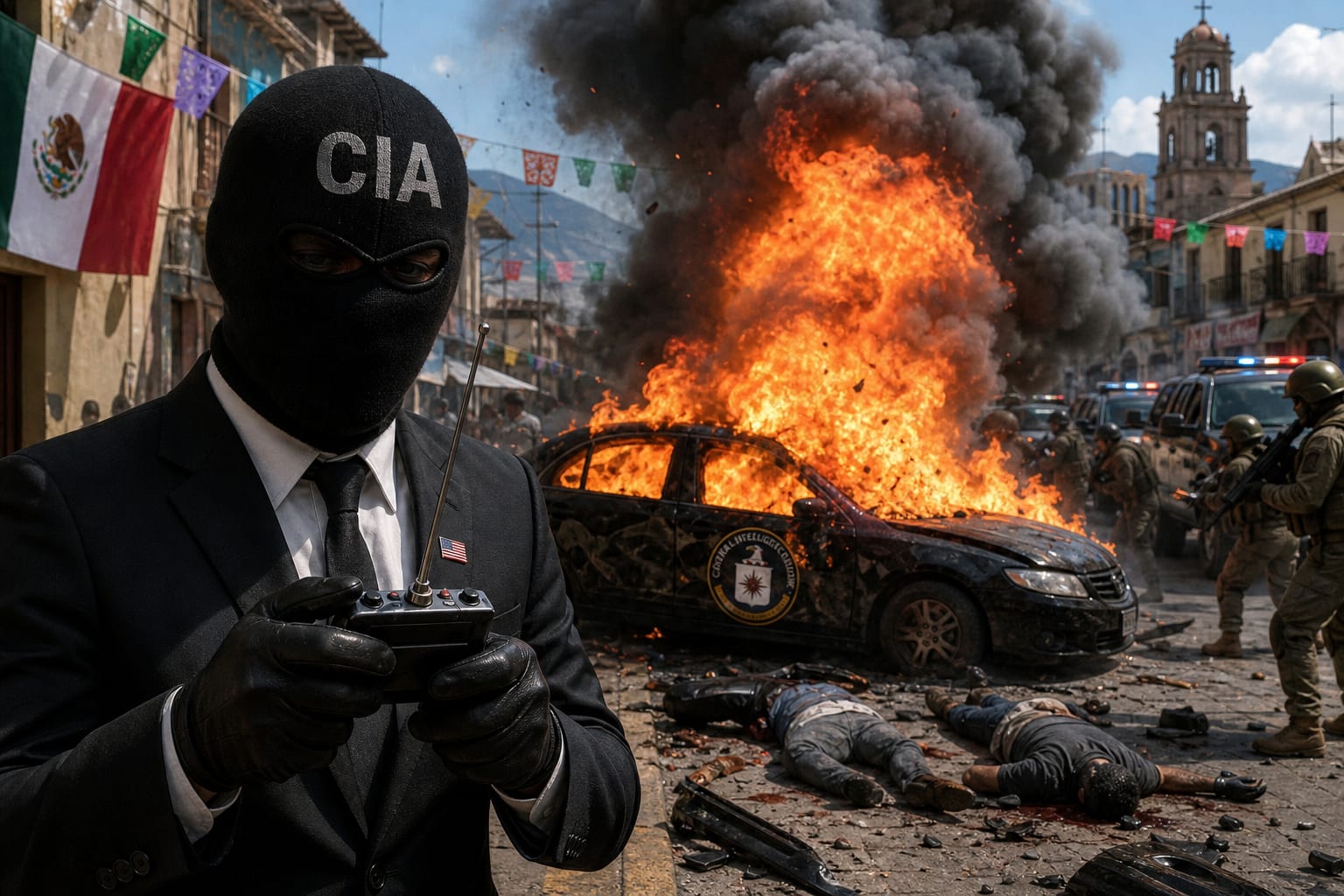
The idea that the CIA is staging a CIA car bombing in Mexico sounds like a plot twist from a bad action movie. But the story is now serious and dangerous. Reports say a pickup truck exploded on a highway north of Mexico City on March 28, killing two people. One was identified as Francisco Beltrán, known as El Payín, a reported lieutenant in the Sinaloa cartel.
A Bloody Highway
Journalists reporting on the case say the March explosion may have been a targeted assassination linked to CIA operations. They write that US intelligence may have given support and that the action fits a wider pattern. The reports say the agency may be focused on dismantling cartels not just at the top but by hitting lower tier members. That tactic matches past kingpin strategies that reshaped Mexico's criminal scene.
The allegations are rooted in anonymous sources and careful wording. The accounts say some CIA officers may have helped identify targets or provided intelligence. US and Mexican officials have publicly denied the claims. The truth may lie somewhere in the gray, and that gray is the most dangerous color in geopolitics.
Who Is Pulling The Trigger?
Two recent facts make the allegations more than gossip. First, in 2025 the US labeled groups like the Sinaloa cartel as foreign terrorist organizations. That designation opens legal doors for covert actions by US agencies. Second, two US intelligence officers recently died in a crash in Chihuahua after what officials described as a counternarcotics operation.
Those two facts mean three things. One, US agencies now have a wider legal toolbox. Two, the men who gather and share intelligence are operating close to the line between cooperation and intrusion. Three, when people die in foreign lands the map of blame gets messy fast.
From where I sit, sipping a café con leche and thinking of Caracas traffic, it is unnerving to see foreign agents accused of turning highways into execution sites. In Latin America we have long memories of outsiders arming one side to fight another. We call that recipe trouble.
The Risk Of Blowback
There is a practical danger. Hitting suspected traffickers with car bombs or targeted killings on public roads invites retaliation. Cartels have long avoided striking US citizens to prevent a heavy response. If the CIA car bombing in Mexico story is true, that restraint could vanish. Fatal misidentification, civilian death, and escalating violence are easy outcomes.
Mexican President Claudia Sheinbaum has publicly said she will not allow US military intervention. Yet some state authorities and op teams may be more willing to cooperate. That split weakens democratic control and raises legal questions about sovereignty and extrajudicial killing.
The reporting is still based largely on unnamed sources. Denials from US and Mexican spokespeople are firm. Still, the combination of the FTO label, recent operational deaths, and the March explosion creates a credible line of concern. It is a reminder that when shadow forces operate on our roads the neighbors get hit first.
Mi abuela used to say, "No hay derecho" when things were plainly unjust. If these allegations are true, no law, no moral claim, and no political slogan will fix the damage done on those highways. The real question is who will answer for it.