Deadly Double Quake Exposes Venezuela’s Fragile State and Geopolitical Strain
Twin earthquakes killed at least 235 people in northern Venezuela and exposed deep governance and infrastructure failures. Foreign military aid arrived quickly, raising concerns over sovereignty and political leverage.
IMMEDIATE CATASTROPHE AND HUMAN TOLL
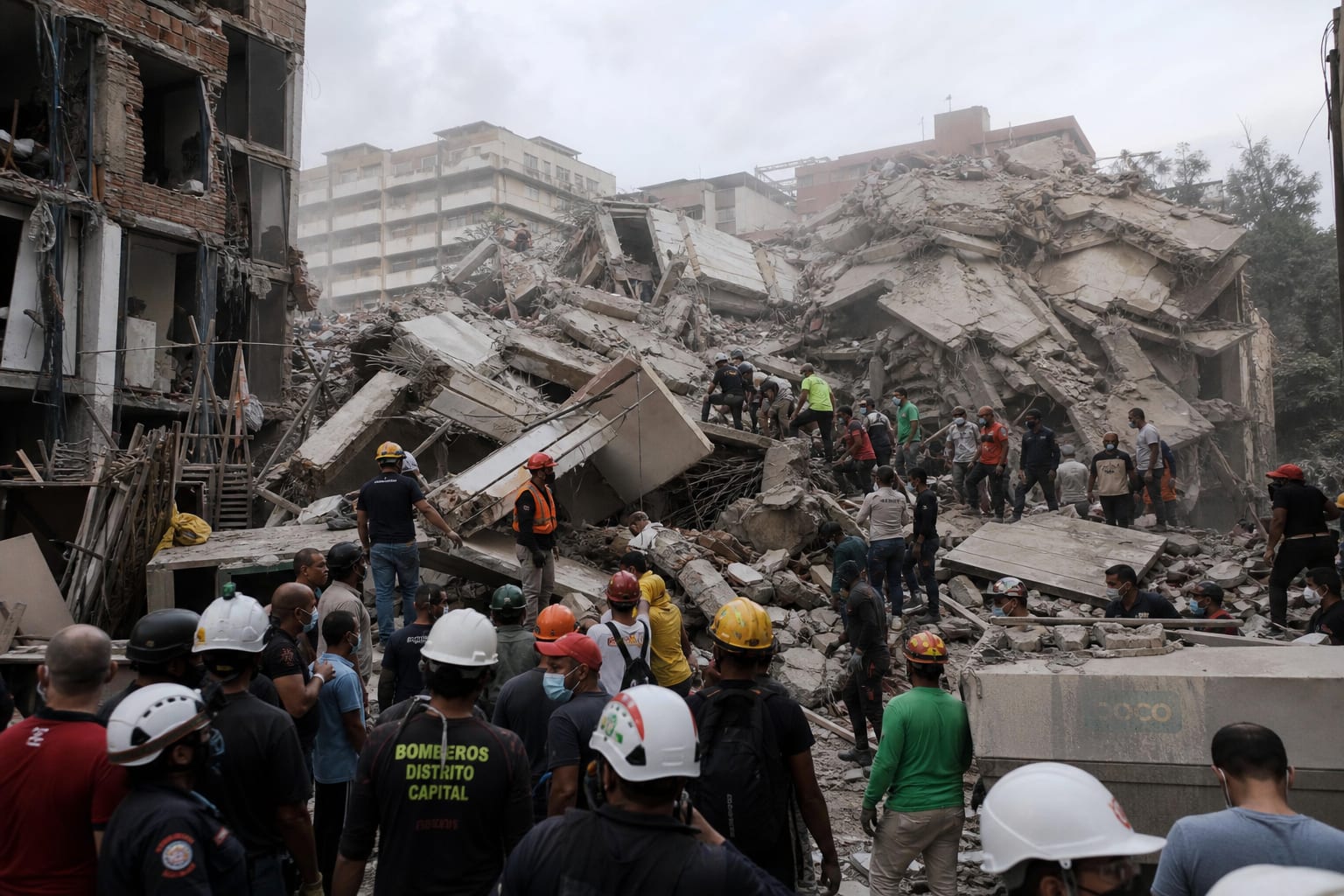
At least 235 people died in northern Venezuela. More than 4,300 were reported injured.
Two powerful tremors struck on Wednesday evening. A 7.2 quake was followed 39 seconds later by a 7.5 temblor. The shocks focused damage east toward Caracas. La Guaira state bore the worst brunt.
Buildings pancaked. Concrete failed without warning. Structural engineers said many towers lacked adequate steel reinforcement. Rescue crews raced against time. Families dug with bare hands.
Hospitals filled fast. Temporary shelters sprang up. The United Nations warned of major disruptions to power, water and communications. Aid agencies prepared for tens of thousands of displaced people.
STATE RESPONSE AND INFRASTRUCTURE FAILURES
Vice President Delcy Rodríguez toured Macuto. She pledged government support. She also appealed for private heavy equipment.
State television infrastructure was damaged. VTV kept broadcasting despite chunks of the building collapsing.
Official rescue capacity lagged. Volunteers moved first. Neighbors pulled survivors from rubble. Doctors at makeshift sites requested masks and tools. Families labelled donated clothing and supplies at university clinics.
Experts blamed brittle, non-ductile concrete. Pancake collapses are deadly. They reveal a larger problem. Maintenance and enforcement lagged for years. Corruption and neglect left structures exposed to seismic risk.
INTERNATIONAL AID AND GEOPOLITICAL RISKS
Washington sent warships and transport planes. U.S. Southern Command dispatched the USS Fort Lauderdale and USS Billings. Helicopters, C-17s and C-130s were included.
The U.S. State Department pledged $150 million in humanitarian support. The U.N. and regional neighbors moved teams. Spain, the Dominican Republic and Colombia readied specialized search-and-rescue crews.
Foreign aid arrived fast. It arrived with politics attached. Any military-led relief raises tough questions. Foreign forces can help save lives. They can also deepen leverage and mistrust.
Venezuelans bristle at external control. They fear aid tied to political aims. Civilian coordination matters. Humanitarian response must stay civilian. It must be transparent, accountable and free of geopolitical bargaining.
REBUILDING, RESOURCE JUSTICE, AND DEMOCRATIC OVERSIGHT
Reconstruction will cost billions. That truth is simple. How Venezuela pays matters more.
Oil wealth must fund hospitals and schools. It must not enrich a ruling elite. The quake is a stark reminder of that equation. Decades of mismanagement left the public poorer and more exposed.
Private firms can bring cranes and expertise. They should work under strict public oversight. Contracts must be transparent. Labor rights must be protected. Workers should share gains.
Rebuilding must follow seismic standards. Retrofit programs are urgent. Engineers must inspect housing stock fast. Local communities must be part of planning.
Donor funds should prioritize survivors. Shelters, water, hygiene and medical care come first. Long-term recovery must center fair access. Oil revenues should be ring-fenced for social services and resilience.
Venezuelans already paid a heavy price. They deserve a recovery that restores dignity. Foreign aid must help, not replace, national sovereignty. Private capital must rebuild, not loot. The state must prove it can protect citizens.
The aftershocks will not be only geological. They will be political. How Caracas manages relief will test institutions. It will test whether resources serve people. And it will test whether international actors respect Venezuelan autonomy while saving lives.