Honduras Chocolate Revival: Roatán, La Mosquitia And Jaguar-Friendly Cacao
On Roatán, women pour chocolate by hand and jaguars find shelter under mahogany. Honduras is reclaiming cacao, turning a colonial export into jaguar-friendly bars that keep money and forests close to home.
Chocolate Beach And Pink Walls
On Roatán, the smell of chocolate finds you before the shop does. The Roatán Chocolate Factory sits behind bright pink beams and yellow walls on the island where women braid hair and men sell mangos.
Roatán is the largest of the three Bay Islands. It is about 47 miles long and sits beside the second largest coral reef in the world.
Inside the factory, women move with a quick, careful rhythm. They sort beans, grind them, pour glossy chocolate into molds and wrap bars. The majority of the workforce is female. Many of these jobs matter to whole families.
The Bean That Traveled The World
On the same coast where tourists now swim, Europeans first met cacao in 1502. Christopher Columbus saw a Mayan canoe loaded with cacao. The Spanish thought the beans were almonds and sailed on.
For centuries, the Mayan people used cacao as medicine, as currency and in ritual. That old story was pushed aside when European traders moved cacao to West Africa in the 1700s to grow it cheaper and closer to markets. Today West Africa supplies 70 to 80 percent of the world’s cocoa.
That shift changed flavor. A self-taught chocolate maker named Daniel brings roasted beans from La Mosquitia to the tasting table. La Mosquitia is a roadless jungle of about 18,000 square miles, denser in places than the Amazon. Daniel shows how beans grown next to fruit trees and river soil taste different from beans grown on distant plantations.
He holds up two bags of cocoa powder. One is light brown. The other is nearly black. He says the dark one has been processed to hide what the bean has lost. That loss is often the land itself.
From Jungle Shade To Supermarket Shelf
Honduran cacao has won praise. In 2015 Honduras was recognized at the Cacao of Excellence Awards as the best cacao in Central America and the Caribbean.
Allen González stopped sending great beans overseas. In 2019 he founded Avenida Cacao to make Honduran chocolate at home. Avenida Cacao uses Mayan Red beans from Tela, Atlántida. The company opened five stores and now sells in supermarkets across Honduras.
Seven years ago there were nine Honduran chocolate brands. Now there are 20. Allen is working with members of Congress on a bill to eliminate the 15 percent sales tax on Honduran chocolate so local makers can compete on home shelves.
How Chocolate Protects A Jungle
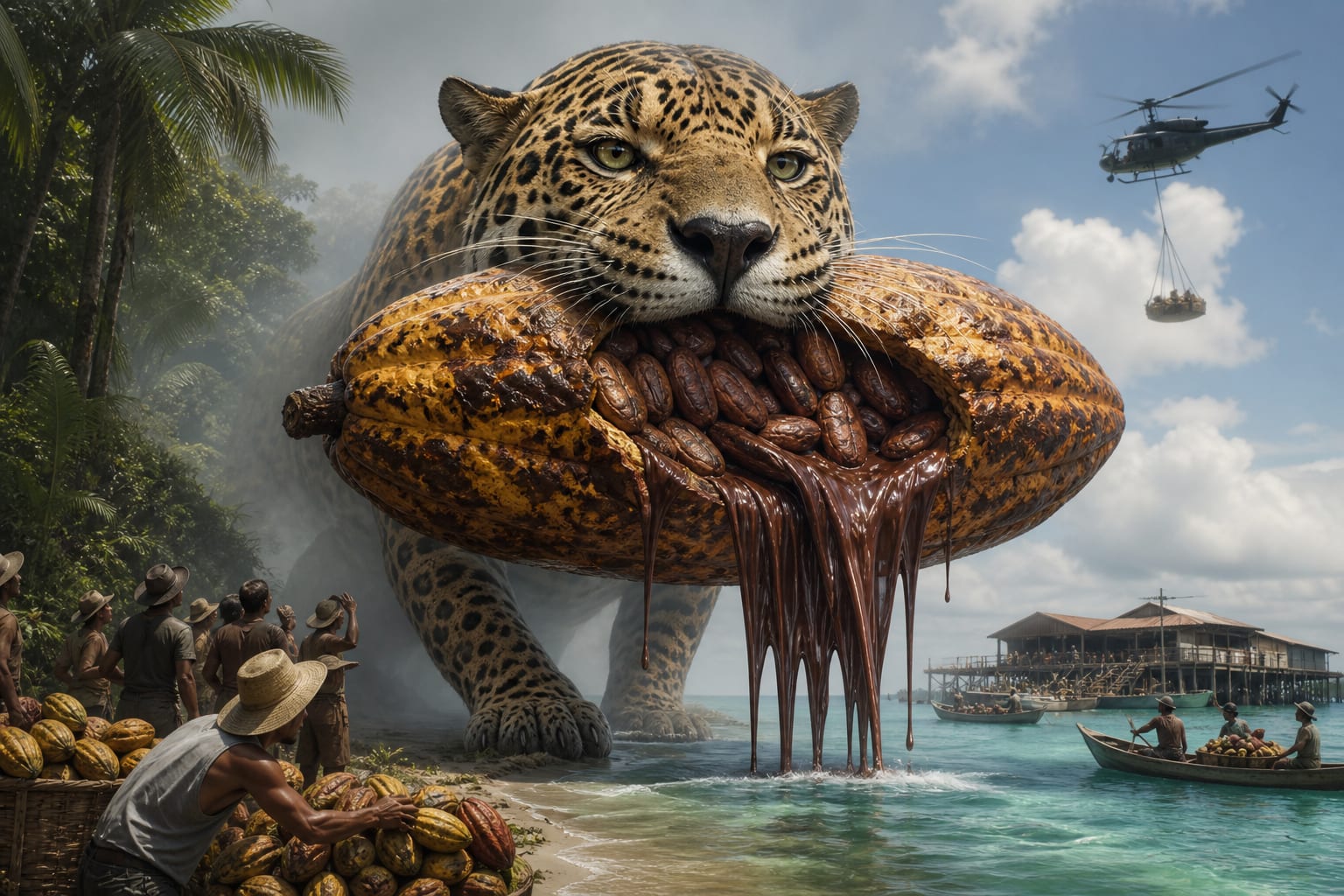
Here is a detail that surprises visitors. Many Honduran cacao trees grow under mahogany. The mahogany shades the cacao and gives it flavor. The mahogany is also home to jaguars. Farmers who rely on cacao learn not to cut the mahogany. The result has been called jaguar-friendly chocolate.
That link between trees, beans and big cats gives chocolate a role beyond dessert. It becomes a reason to keep the jungle standing. It protects animals and keeps soil and water working for fruit trees that feed people.
At the Roatán Chocolate Factory, Dayana Banegas has worked for six years. She leads tours for travelers who want to learn how chocolate is made. She calls her job a blessing. The factory also offers chocolate-making classes where visitors can join the women on the line.
On a flight home in mid 2026, a writer from Toronto with Honduran roots opened a 70 percent dark bar crowned with shredded coconut. The taste carried mango and the sea. It tasted like a country bottled into a wrapper.
Why This Matters Now
Honduran chocolate is rewriting who gets credit for a global favorite. Europe still wins awards, and many Americans assume the world’s best chocolate comes from the Swiss Alps or a Paris bakery. That old argument helps keep beans moving to distant places where flavor fades but volume grows.
But the story in Honduras shows another path. Growing single-origin bars keeps value close to the farm. It gives work to women. It keeps mahogany standing so jaguars survive. It pushes policy. The push is practical. If Congress removes a 15 percent sales tax, small makers could sell more at home and create more jobs.
The human cost and the human gain are both here. For decades Honduran growers watched their best beans leave on ships bound for Europe. People who work at the factory now get pay and pride. Families eat better when farms pay. Forests stay when farmers can earn from shade-grown cacao.
This is not a fairy tale. It is a slow, sensible change backed by awards, by brands and by small lawmaking. It started with beans found in 1502 and moved through 2015’s prize and 2019’s new company. Now the island that smells like chocolate holds a different kind of treasure. It is a bar that tastes like home, and a jungle that keeps its jaguars.
Quick facts: Roatán is 47 miles long. La Mosquitia is about 18,000 square miles. West Africa produces 70 to 80 percent of the world’s cocoa. Avenida Cacao has five stores. Honduras won a Cacao of Excellence award in 2015.