Keiko Fujimori Wins Peru Presidency Narrowly, Returns Fujimorismo To Power
Keiko Fujimori won Peru's presidency by a razor thin margin, driven by votes abroad, returning Fujimorismo to power and deepening a divided nation. Her victory raises urgent questions about democracy, institutional checks and which Peruvians truly chose their next leader.
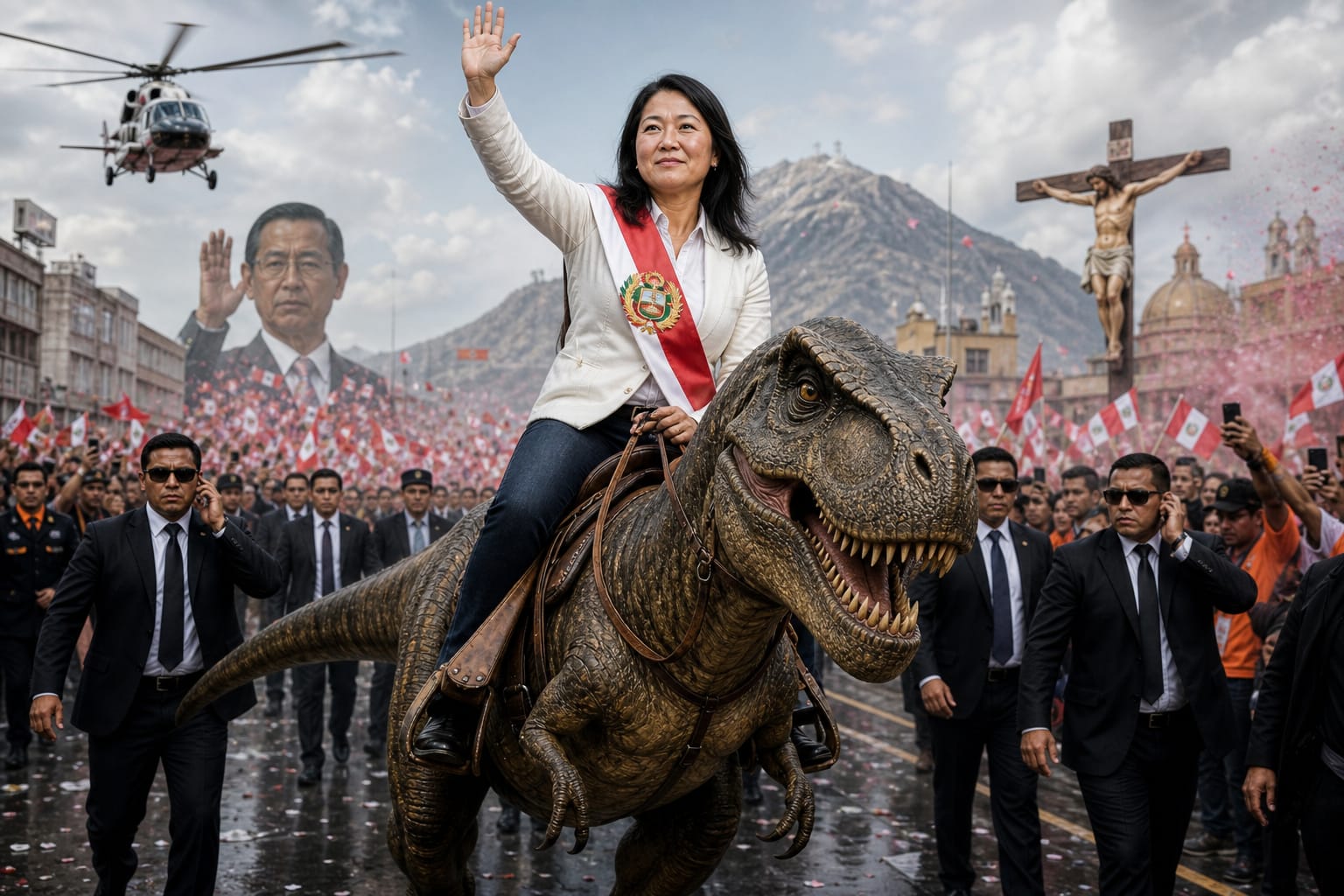
Keiko Fujimori scored a narrow victory in Peru, winning the presidency by just 49,641 votes and taking office on the back of strong support from Peruvians living abroad. The result hands the Fujimorismo movement back to power a quarter century after her father ruled with an iron fist, and exposes a country split between those who hunger for order and those who fear a return to authoritarian habits.
A Narrow Win, A Wide Rift
The margin was so thin it could be folded and put in your pocket. Inside Peru, her leftist opponent earned more votes. Abroad, the diaspora tilted the scale toward Fujimori. That means a president who was chosen by Peruvians in New York, Madrid and Santiago will now govern Lima, Ayacucho and the Andes.
Peru is brittle. Years of political turnover and violence have left the public with the political patience of someone whose last bus left without paying them back. Crime and institutional distrust are the headlines that Fujimori promised to fix with the same blunt instrument her father used to defeat the Shining Path. For many Peruvians that memory is not comforting.
Fujimorismo Back In Control
Popular Force, the party Keiko built, is a rare thing in Peruvian politics: disciplined, ruthless and capable of moving the levers of power. Over recent years it has ousted presidents and protected allies accused of corruption. That record raises a simple question: who will hold the institutions in check when the party treats the state like a family business?
Her critics point out that Fujimori once pressed claims of fraud when the outcome did not please her. That history fuels real fear that institutions could be bent rather than balanced. Supporters promise order and stability. Those promises sound attractive to shopkeepers and taxi drivers in Lima, but to campesinos in the highlands they echo a past where order meant silence and impunity.
I remember a Tuesday in the mercado where Señora Rosa, who sells tamales near the fish stalls, shrugged and said, "otra vez el mismo cuento." It is a small phrase that captures how many feel. They hope for clean streets and steady income. They do not trust politicians to give them both without taking something else.
Keiko Fujimori is the first woman elected president of Peru. That milestone will be weighed against worries about how her administration may use the courts, Congress and security forces.
The tightness of the result and the overseas vote that delivered it leave a boiling question: can a government win legitimacy when it did not win at home?
Peru now faces a choice that will not be solved by slogans: will the incoming president shore up democratic norms or will she let party loyalty and executive power overrun checks and balances?
For those of us who watch these shifts from the street level, it is easy to offer dark jokes. But the punchline is not funny. When a movement linked to an authoritarian past returns to the helm in a fragile democracy, the jokes are inventory for what might be lost next. For Peru, the next months will show whether hope for order becomes a shortcut to renewed impunity or a real path to stability for the many, not the few.