Leonardo DiCaprio Isn't Using Ozempic, And His Denial Says More Than He Thinks
Leonardo DiCaprio's camp denies the GLP-1 rumors, but the real story is why everyone suspected it in the first place, and what that says about how we judge the science of the body.
By Rafael Cortez ·
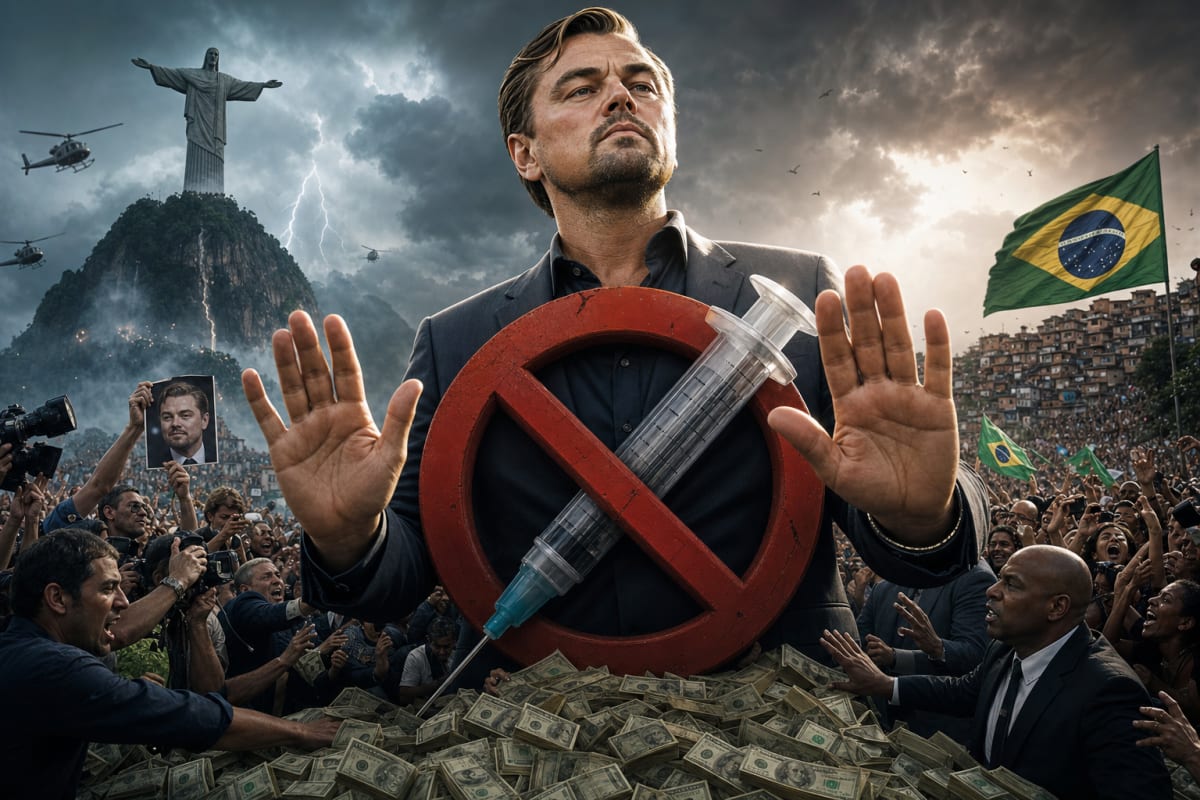
Hollywood is terrible at lying, but it's even worse at telling the truth.
So when whispers started that Leonardo DiCaprio, the man who survived a frozen Atlantic and a bear mauling on camera, might be quietly riding the GLP-1 wave, people paid attention. His camp shot it down fast. No Ozempic. No Wegovy. No magic pen.
Fine. Believe him or don't. That's not the interesting part.
The interesting part is why we all instantly wondered in the first place.
The Drug Everybody Suspects And Nobody Admits
GLP-1 medications, the family that includes semaglutide, started life as diabetes drugs. Then somebody noticed the pounds falling off patients and the whole world lost its mind.
Now it's the quiet engine behind half of Hollywood's suddenly sharper jawlines. Everyone denies it. Everyone's neighbor is on it.
Here's the puzzle: a 50-year-old man looking lean is now treated as evidence of a crime. That tells you less about the man and more about the panic underneath the whole industry.
DiCaprio has been famous since he was a teenager. His body has been public property for decades. People tracked his weight like a stock ticker, mocking him, praising him, obsessing over him. Of course the second the shape of his face shifts, the internet reaches for the syringe theory.
What These Drugs Actually Do
Strip away the celebrity noise and you get real biology, which is where things get genuinely fascinating.
GLP-1 is a hormone your own gut already makes. These drugs just mimic it, cranking up the signal. The result:
- Your stomach empties slower, so you feel full longer
- Your brain quiets the constant food chatter
- Your blood sugar behaves instead of spiking and crashing
That last point matters more than the vanity headlines suggest. Stable blood sugar means less cellular stress. Less inflammation. A body that isn't constantly fighting a metabolic fire it started at every meal.
This is the part longevity nerds actually care about. Weight loss is the loud, shallow benefit. The deeper story is metabolic control, the kind that decides whether your cells age gracefully or rust from the inside out.
The Autonomy Question
Should Leo take it? Should anyone?
That's genuinely nobody's business. A person owns their biology the way they own their bones. If a movie star wants to hack his metabolism with a weekly injection, that's his cellular real estate, not a moral debate for strangers.
The ugly reflex is judging people who use these drugs as cheaters, like earning a lean body through misery is somehow purer than earning it through science.
Nobody calls insulin cheating. Nobody calls a pacemaker a shortcut. But the moment a drug touches appetite, everyone becomes a philosopher about willpower.
That double standard is the real disease here.
Why The Denial Feels So Loud
Celebrity denials come in two flavors. The bored, honest shrug and the panicked, over-explained defense.
When someone denies something calmly, it usually means it's a non-issue. The volume of the reaction is the clue. And Hollywood reacts to GLP-1 rumors like they've been accused of a felony, because in the industry's twisted logic, needing help is the felony.
DiCaprio's team said no. Maybe it's true. The man has always leaned into an environmentalist, nature-loving, whole-foods image. That brand doesn't mix cleanly with a pharmaceutical shortcut, so the denial protects the story as much as the man.
Image is a chemistry too. It just doesn't come in a pen.
The Bigger Diagnosis
Forget the specific patient for a second and look at the epidemic of interest.
Millions of regular people are now looking at these drugs and asking real questions. Some need them for diabetes. Some for genuine metabolic disorders. Some just want the body they've been chasing since high school.
The drugs aren't candy. They come with nausea, muscle loss if you're careless, and a price tag that keeps them locked behind a wall of insurance approvals and coupon codes. Anyone treating them like a lifestyle accessory is skipping the fine print.
But used with actual intent, paired with protein, resistance training, and sleep that isn't a suggestion, they're one of the most interesting metabolic tools medicine has handed the public in years.
Leonardo DiCaprio may never have touched one. That's his right and his story to keep.
The rumor was never really about him. It was a mirror. And a whole lot of people didn't love what stared back, standing in the bathroom, holding a pen they swear is only for their blood sugar.