Leonardo DiCaprio, GLP-1, and the Lie We Tell Ourselves About Willpower
The frenzy over whether Leonardo DiCaprio uses a GLP-1 reveals less about his metabolism and more about our strange obsession with equating suffering with virtue.
By Rafael Cortez ·
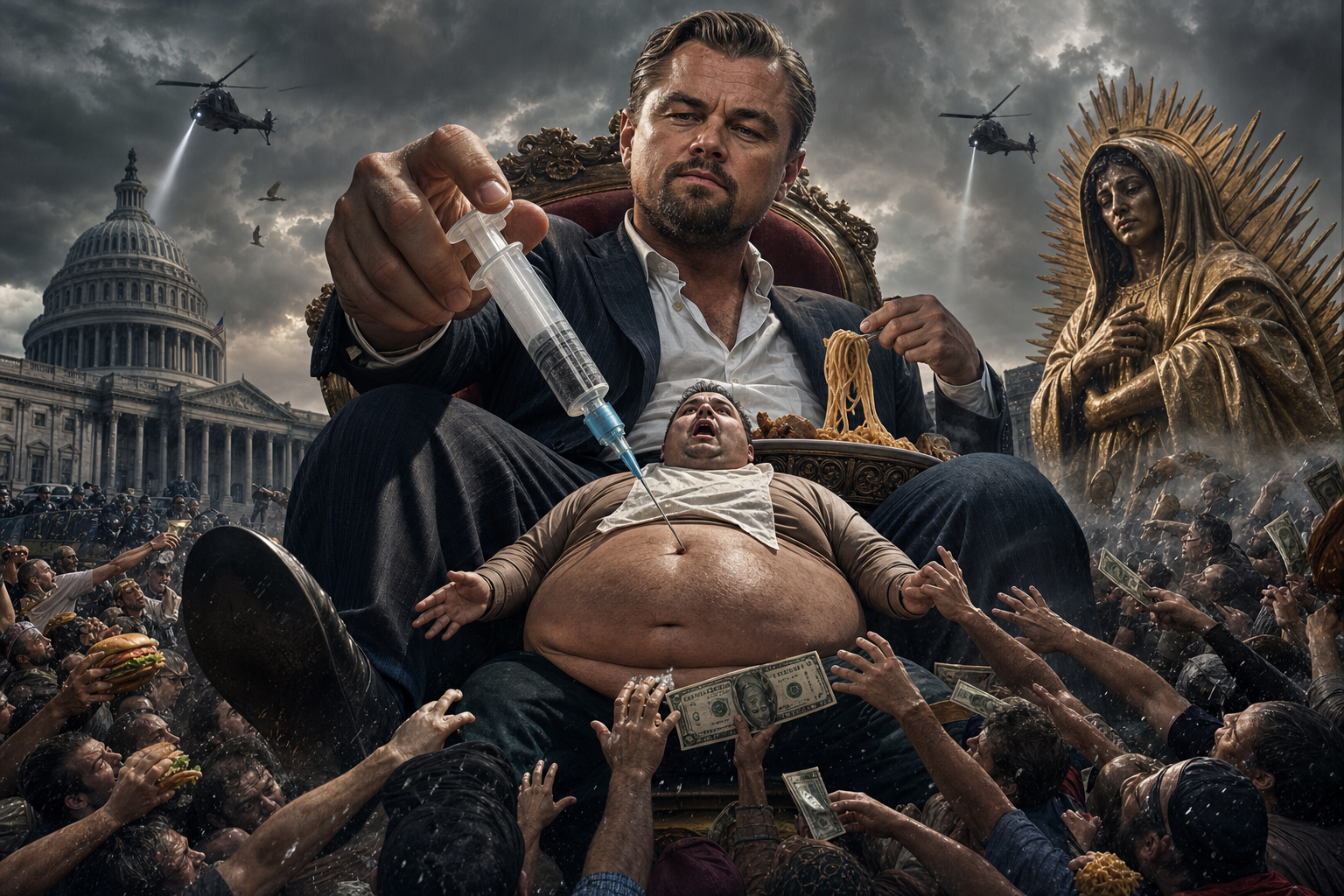
Everybody wants the shortcut, but nobody wants to admit they're standing in line for it.
That's the strange little drama playing out around Leonardo DiCaprio right now. Whispers. Tabloid squints. Photos where somebody's cheekbones look a touch sharper than they did during his Titanic heartthrob years. And the internet, that beautiful sewage system of collective anxiety, has decided it needs an answer.
Is he on a GLP-1?
Here's the honest part nobody says out loud: it doesn't actually matter whether he is. The obsession itself is the symptom worth diagnosing.
The Puzzle Under The Gossip 🔍
GLP-1 medications, the class that includes the drugs everyone's cousin is suddenly whispering about, work by mimicking a hormone your gut already makes. When you eat, your body releases glucagon-like peptide-1. It tells your brain you're full. It slows down how fast your stomach empties. It nudges insulin.
Simple biology. Ancient machinery. These drugs just turn up the volume on a signal your body was already singing.
The body isn't broken when it needs help. That's the myth. The body is a system, and systems respond to inputs. A peptide is an input. Nothing more sinister than a strong cup of coffee, and a lot more precise.
So when people gasp about a celebrity possibly using one, what they're really gasping at is the idea that biology can be steered. That the sacred suffering of the diet, the gym, the misery, might be optional.
Why The DiCaprio Story Hits A Nerve 😤
Leo is interesting here for a reason that has nothing to do with his waistline.
For decades he was the golden boy. The face. And the culture built a whole moral fairy tale around men like him staying beautiful through discipline, through grit, through some invisible virtue we like to pretend rich famous people possess in bulk.
Then along comes a molecule that levels the playing field, and suddenly everyone feels cheated.
How dare the metabolism become negotiable.
That's the real outrage. Not the drug. The permission.
What The Numbers Don't Tell You
People love to reduce GLP-1 to a weight-loss headline, like the only thing worth measuring is the reading on a scale. That's lazy thinking, the kind that gets patients hurt.
These compounds are being studied for effects far beyond appetite:
- Blood sugar regulation, the original reason they existed at all
- Inflammation signals that whisper through the whole body
- Cardiovascular and metabolic changes that ripple outward for years
The weight is the visible tip. The interesting story is happening underneath, at the cellular level, where the actual living is done.
The Autonomy Question 🧬
Strip away the celebrity noise and you land on the thing that actually matters.
Whose body is it?
Because the same crowd clutching pearls over a movie star's possible prescription will happily down three espressos, a fistful of ibuprofen, and a melatonin nightcap without a second thought. We medicate constantly. We optimize constantly. We just get squeamish when someone does it on purpose and it works.
A person choosing to tune their own biology is not a scandal. It's the oldest human instinct there is. We've been chewing weird roots and brewing strange teas for the same reason since we lived in caves. The tools just got better.
That's the part the DiCaprio gossip machine keeps missing. There's no crime in a body pursuing its own repair. There's no shame in using the good tools when the good tools exist.
The Uncomfortable Mirror 🪞
Nobody actually cares about Leo's metabolism. Not really.
They care because his rumored choices force a question into their own kitchens, at their own late-night snack drawers, in front of their own bathroom mirrors. If it can be steered, then the suffering was maybe never the point.
And people hate being told the suffering wasn't the point.
The whole panic tastes like the reaction of a species that confused misery with morality. That decided the hard way was the only honest way. It isn't. It never was.
Somewhere out there a movie star may or may not be quietly recalibrating a hormone his own gut already produces. The tabloids will froth. The comment sections will moralize. And the biology, indifferent to all of it, will just keep doing what biology does.
Which is adapt, respond, and reward the ones brave enough to actually pay attention.