María Corina Machado Pushing Trump White House To Arrange Her Safe Return To Venezuela
Maria Corina Machado has pressed U.S. officials to help her return to Venezuela in the wake of deadly earthquakes, prompting frustration in Washington as relief efforts and political calculations collide.
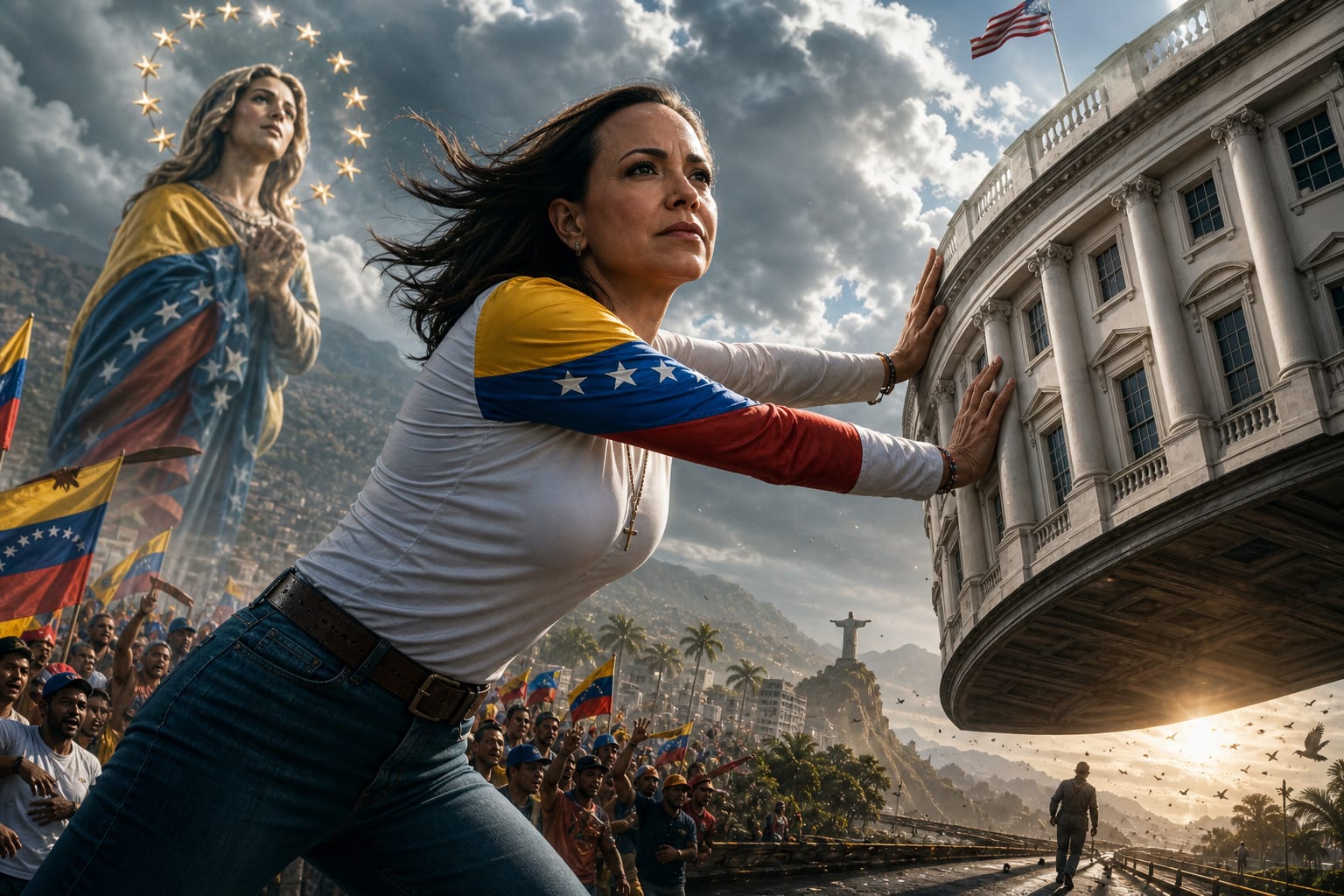
The United States captured former President Nicolás Maduro in January.
Washington framed the action as a sanctioned intervention to restore democracy.
Similar moves and sudden interventions have reverberated across South America, leaving political vacuums and bitter disputes in their wake.
Return Bid Sparks Friction
Venezuelan opposition leader María Corina Machado has pressed U.S. officials in recent days to help facilitate her return to Venezuela following deadly earthquakes that rocked the country, senior U.S. officials said.
Machado, who left Venezuela in December after defying a decade-long travel ban to accept a Nobel Prize, has been calling for assistance from the White House, the State Department and members of Congress, one U.S. administration official said on condition of anonymity.
That outreach has drawn frustration in Washington, the official added, given the scale of the humanitarian crisis unfolding in Venezuela. "We support her returning to Venezuela, but does it have to be 24 hours after a massive humanitarian catastrophe where the death toll continues to climb?" the official said.
Machado has largely been based in the United States since her departure and had told supporters before the earthquakes that she expected to return by the end of the year. A spokesman for Machado did not immediately respond to requests for comment.
Relief Effort Meets Political Crosswinds
The renewed push for Machado's return comes as Venezuela deals with twin earthquakes that struck earlier in the week, killing hundreds and overwhelming local response capabilities. Washington has mobilized search and rescue teams, coordinated deliveries of medical supplies and unlocked $150 million in humanitarian aid, the State Department said.
U.S. officials say the recovery operation is ongoing and that aid deliveries and coordination with international partners remain priorities. The White House official cited the immediate needs of survivors and the logistical complexity of working in a country already strained by economic and institutional crises.
The political landscape has been volatile since Maduro's capture in January. Some U.S. officials and Venezuelan opponents had hoped Machado would play a central role in a post-Maduro transition. Instead, President Donald Trump publicly backed Delcy Rodríguez to serve in the short term, saying Machado did not yet have sufficient domestic support to lead.
That choice has complicated opposition calculations and highlighted divisions among external backers. U.S. officials say they are weighing humanitarian imperatives against the diplomatic and security risks of facilitating a high-profile return amid an active disaster response.
Unresolved Stakes
For Machado and her supporters, a return could be a defining moment in a prolonged struggle for political legitimacy. For U.S. policymakers, it presents a test of timing and prudence during an acute humanitarian emergency.
Senior U.S. officials are balancing immediate relief operations with longer-term questions about Venezuela's political transition. The debate in Washington reflects wider uncertainties about how best to support Venezuelans in the wake of the quakes while avoiding moves that could inflame tensions on the ground.
Whether Machado's arrival, if it occurs, will ease the political crisis or deepen divisions in Caracas remains unclear. And the country waits.