Meta And Mark Zuckerberg Push Social Gambling With Arena To Hook Young People
Meta plans Arena, a prediction market app that would weave betting into Facebook and Messenger and aim at 18 to 34-year-olds. Experts warn that young people face rising gambling disorder rates as social feeds are gamified into markets.
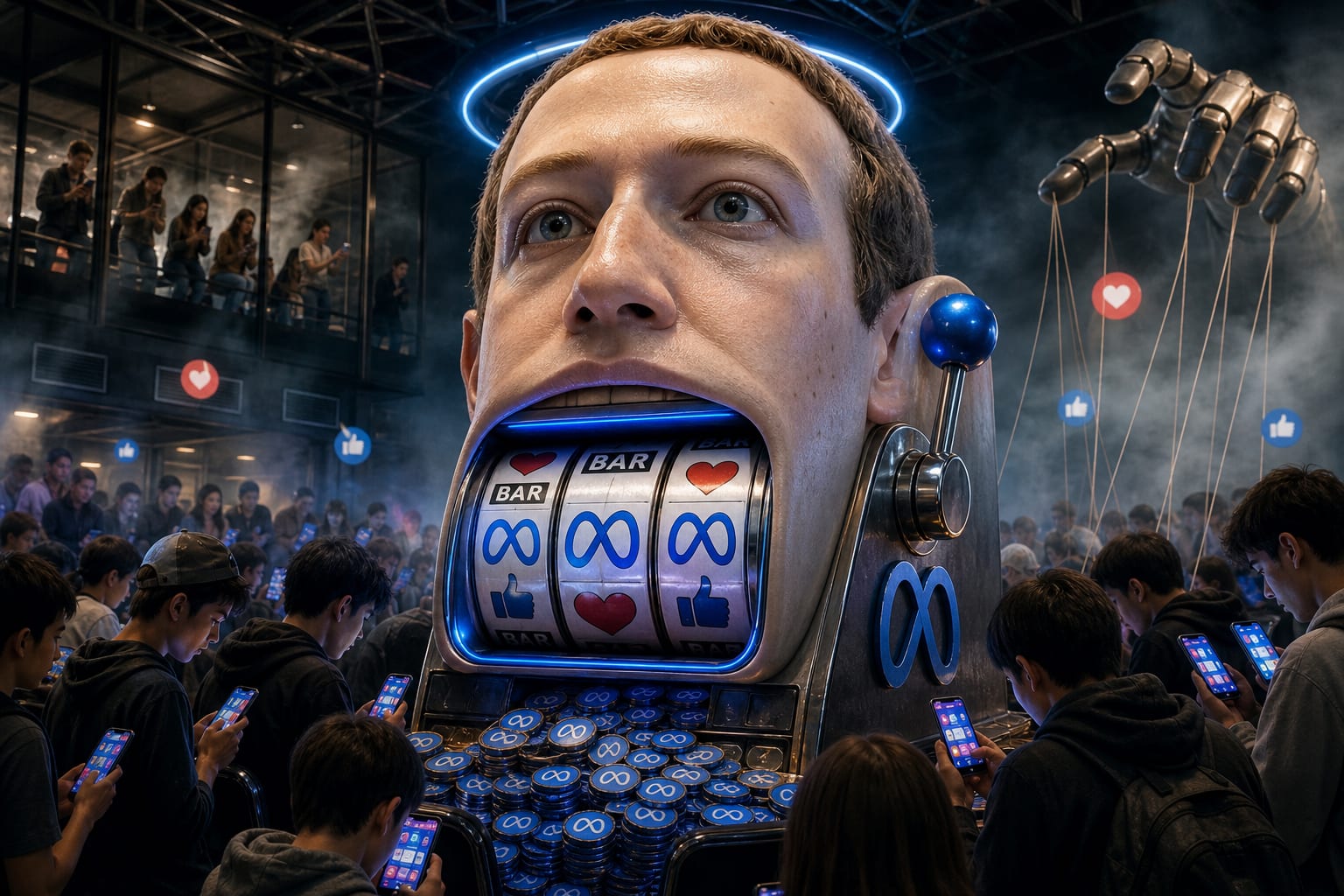
Meta is building a betting app called Arena and wants young people to use it like a toy. The company is exploring partnerships with Polymarket and Kalshi while planning to fold betting into Facebook feeds and Messenger chats. Company insiders say the goal is to turn predictions into social content that looks more like memes than markets.
Meta Wants To Turn Feeds Into Casinos
Inside Meta, developers describe prediction markets as a new content type. A senior Meta official wrote that the social payoff comes when people show off how good they are at predicting things to their friends. Translated from corporate-speak, that means betting will be shoehorned into videos, group chats, and news feeds.
Meta is not only making an app. It wants to sprinkle betting options everywhere people already scroll. That plan would attach market options to posts and videos, making bets look like another way to react to a meme. The line between a harmless conversation and a wager is being erased on purpose.
Young People Are The Target And The Risk
The company is explicitly aiming Arena at 18 to 34-year-olds. That is, your cousin, your kid cousin, your neighbor who still thinks they will be famous someday.
There are real harms at stake. The National Council on Problem Gambling estimates 2.5 million adults in the United States meet criteria for severe gambling addiction. Studies show gambling disorder diagnoses have jumped since states legalized sports betting. One analysis of electronic health records found diagnoses rose more than 60 percent since 2018 in states with legal betting. The biggest increase was among people aged 18 to 29, whose rates more than doubled.
Meta plans to make markets feel like conversation, tied to memes and whatever people are paying attention to. That is a recipe for normalizing gambling, especially for young people who already live online.
Why South America Should Care
From where I sit in South America, this looks like the same playbook we know too well. A giant corporation sells a flashy new thing to the young, then hides the bill in addiction and social damage. Tech companies have long exported their products and their problems across borders. Now they will export gambling, with all the profit and none of the safety nets.
There is also a political angle. When a handful of firms control major social platforms, they shape what people see and how they interact. Turning social life into a marketable stream of wagers hands private companies new levers over our attention and our wallets.
We can laugh at the image of billionaires inventing new ways to make us poorer while calling it entertainment. But laughter will not stop addiction or the targeting of young people. Regulators, health systems, and communities must wake up before feeds become a legalized way to prey on the hopeful and the bored.
Meta says prediction markets are exciting content. That may be true. The exciting part for Meta will be the money. For everyone else, especially young people, the excitement could end up costing more than a lost bet.