Salvador, Brazil: Where Old Money Colonial Mansions Beg for Instagram Approval
Salvador, Brazil is a golden colonial fever dream where old money ghosts and beige-linen influencers fight for the same balcony, and the fried food carries more soul than the beach clubs ever will.
By Lucia Mendoza ·
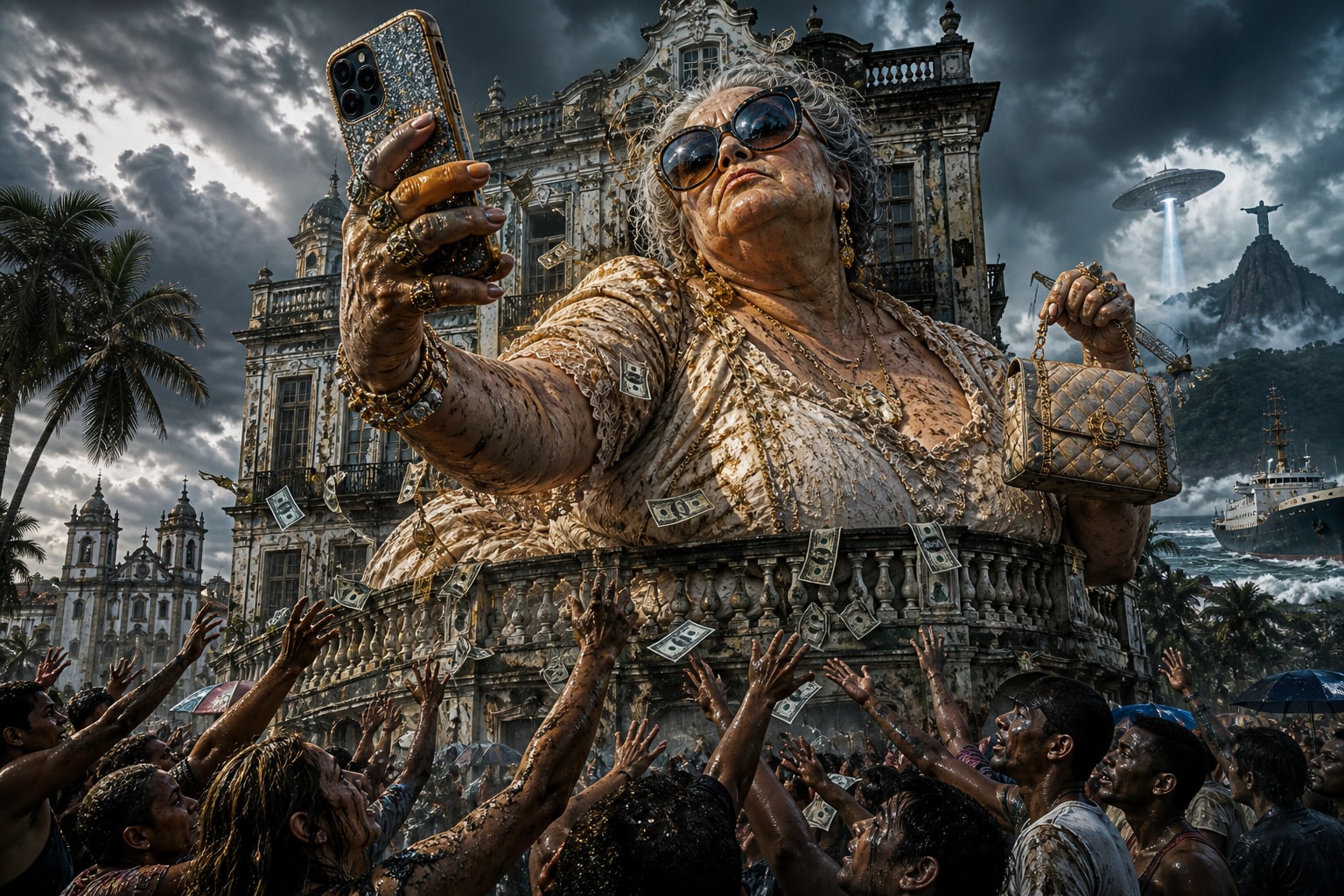
Nobody tells you that Salvador is a city where the ghosts of sugar barons and the influencers of today are fighting over the exact same balcony.
And honestly? The ghosts have better taste.
This is Bahia, the beating, sweating, gold-plated heart of Brazil, where the streets are made of stones dragged by enslaved people centuries ago, and the descendants of the people who built this city are STILL waiting for their invitation to the beach club. Let that marinate.
The Pelourinho Paradox 🎭
The Pelourinho is the postcard. Those candy-colored buildings, pistachio green, flamingo pink, that butter yellow that looks edible. Tourists lose their minds. They line up. They pose. They tilt their sunglasses just so.
What they do not photograph is the name.
Pelourinho means whipping post. The pretty square was where enslaved people were publicly punished. And now it is where a girl from Munich is doing a jump shot for her stories with the caption "good vibes only."
The most Instagrammable neighborhood in Brazil is named after a torture device. If that is not the entire luxury travel industry in one sentence, nothing is.
The New Colonizers Wear Linen 🧵
Watch the airport. The private transfers roll in and out like a fashion show nobody asked for.
The new elite arriving in Salvador have a uniform, and it is aggressively beige. Oversized linen sets. Raffia bags the size of a small child. Sandals that cost more than a month of rent in the actual neighborhoods they photograph from a distance.
They come for the "authenticity." They want the drums, the acarajé, the candomblé mysticism, the smiling women in white lace dresses. They want ALL of it.
They just want it delivered to a rooftop infinity pool with a signal-boosted wifi.
Acarajé: The Great Class Divide in a Fried Ball
Here is where it gets deliciously savage.
Acarajé is sacred food. It is black-eyed pea fritters fried in dendê palm oil, sold by the Baianas, women whose recipes carry the spirit of an entire religion and a resistance older than any hotel chain in the city.
You can buy one on the street for pocket change from a woman who has been making them since before your favorite chef was born.
OR.
You can go to a "reimagined Bahian concept restaurant" where a man with a tweezers places a deconstructed acarajé on slate and charges you the equivalent of a plane ticket. Same ball. Wildly different price. The difference? Lighting and ego.
The Beach Hierarchy Is Real and It Is Brutal 🏖️
Every beach in Salvador tells you exactly where you rank.
- Porto da Barra: Democratic chaos. Everyone, all bodies, all budgets, beer coolers dragged across the sand. Heaven.
- Farol da Barra: The lighthouse selfie. Peak tourist. Sunset worship in full effect.
- The private beach clubs up north: Where the linen people hide, sipping caipirinhas made with imported lime, pretending the city is a backdrop and not a living thing.
The wealthier the crowd, the less Brazilian the music gets. That is a rule. At the fancy clubs it is deep house. On the real beaches it is axé, pagode, forró, the sound of the actual city refusing to be quiet for anyone.
Candomblé Is Not Your Aesthetic 🔮
The white lace. The beads. The spiritual glow. Suddenly every wellness girlie wants a "candomblé experience" to post between her ice bath and her sound bath.
She does not know a single orixá by name.
Candomblé survived slavery, survived being outlawed, survived being demonized by every colonial power that tried to erase it. It did not survive all of that to become someone's spiritual vacation content.
You cannot buy your way into a soul. But the elite will absolutely try to rent one for a weekend.
The Elevator That Explains Everything
The Elevador Lacerda connects the upper city to the lower city. Rich neighborhoods look down, literally, on the working port below.
It is a beautiful art deco machine. It is also the most honest metaphor in Brazil. A giant piece of engineering built to keep two worlds separate while pretending to connect them.
People ride it for the view. The view is the whole point. You stand at the top, gold light everywhere, the Bay of All Saints glittering like a jewelry ad, and you feel powerful.
Then you go down. And Salvador reminds you who actually built the party.
The tourists will keep coming. The linen will keep arriving. The fritters will keep frying. And the city, gorgeous and furious and impossible to package, will keep smiling for the camera while whispering the truth to anyone brave enough to listen.