South America Tourism Surge: Peru, Patagonia And Brazil Lead Global Travel Boom
Tourists are flocking to South America for nature, food and history. Peru, Patagonia and Brazil lead the surge, but locals warn that growth must benefit communities and protect landscapes.
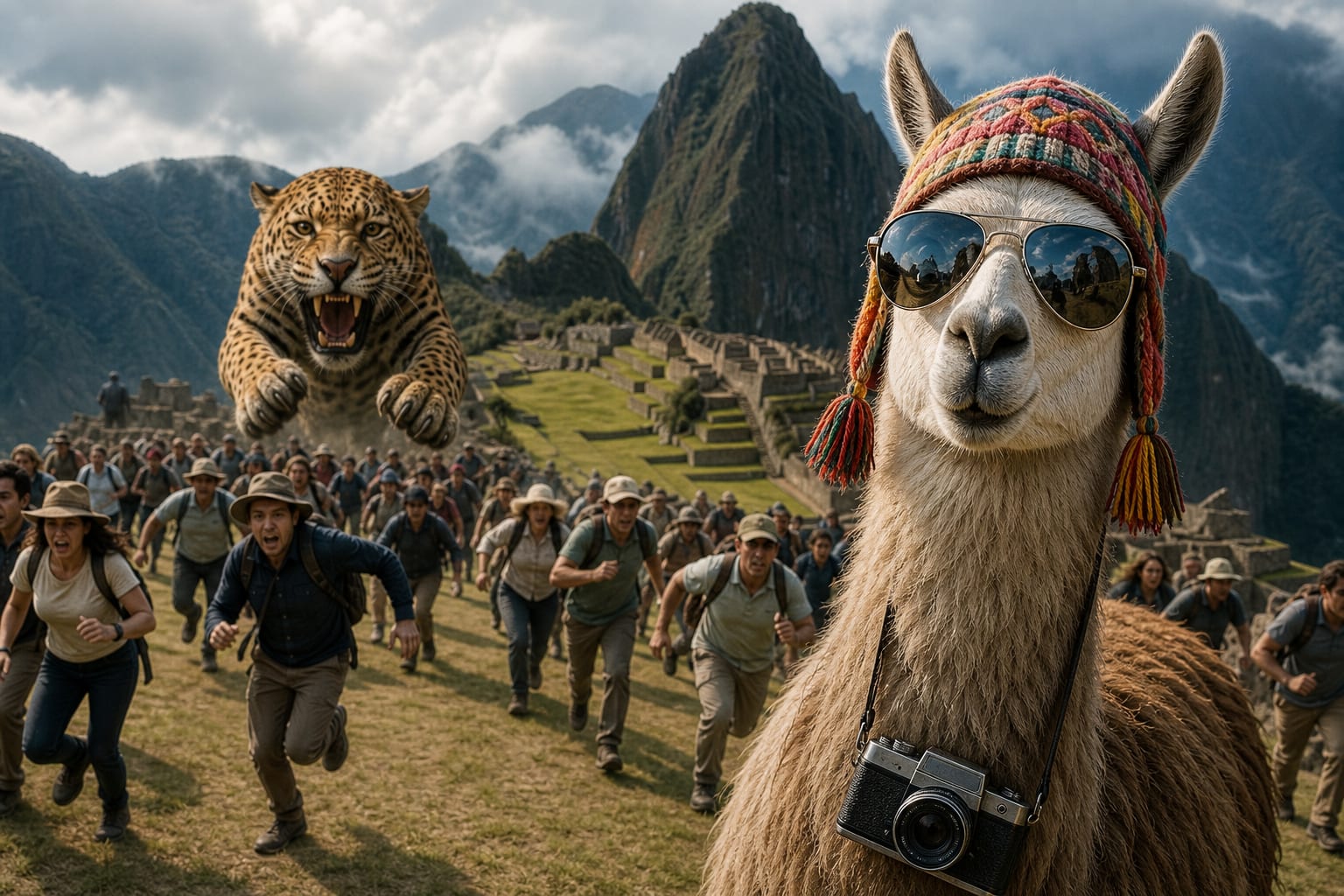
South America is suddenly the place everyone wants to see. Tourists are booking longer trips, chasing nature, food and history in one sweep. Peru, Patagonia and Brazil are standing out as the biggest draws.
Peru: The Cultural Gateway
Peru is the first stop for many visitors. Machu Picchu still draws huge crowds. But travelers are not staying only for the ruins.
Cusco, the Sacred Valley and Lima are part of a growing route that mixes archaeology and food. Chefs in Lima are famous worldwide and local markets sell food that tells history better than a textbook. That mix is pushing Peru to the front of South America tourism.
Patagonia And Brazil: Wilderness And Cities
Farther south, Patagonia is the poster child for wild travel. Places like Torres del Paine and the Perito Moreno Glacier attract people who want raw nature and big hikes. Experts say Patagonia is becoming a model for low density tourism that still earns money for local towns.
Brazil is showing a different face. It is not only Carnival and beaches. The Amazon, Iguazu Falls and urban culture give tourists many reasons to come. Brazil is growing as a nature and culture destination at the same time.
Money, Jobs And The Risk Of Selling Our Soil
Tourism is making money and creating jobs. It helps hotels, small businesses and transportation. Governments talk about sustainability and protecting forests and traditions.
But growth comes with risks. If tourists flood fragile places, the environment and local customs can suffer. Too often profits flow to big companies instead of barrios and farming families. We have seen this before when our land gets praised in glossy magazines and our people get paid little.
From the street vendors in Cusco to a fisherman near Puerto Natales, locals want fair pay and protection for nature. I remember my neighbor in Caracas saying, "la vida es dura pero el sueño es libre." That hope is what must guide tourism, not only profit charts.
Planners are trying new ideas. They promote longer stays, food and wine routes across borders, and control on visitor numbers at fragile sites. If done right, tourism can pay for schools, clinics and protected parks.
But it needs rules that keep land and culture in local hands. That means local leaders, workers and communities set the rules. Otherwise the new boom will be another chapter where outsiders take the best and leave the mess behind.
South America has the ingredients for meaningful travel. Mountains, rainforests, ancient cities and plates of food that make you cry. The challenge is to turn tourists into allies, not invaders. If not, the boom will fade and leave only postcards and empty promises.