US Designates Ecuador’s Chone Killers As Terrorists, Backing Noboa’s Military Crackdown
The US on July 2, 2026 labelled Ecuador’s Chone Killers a foreign terrorist organisation, backing President Daniel Noboa’s curfews and military raids. Secretary of State Marco Rubio said the gang has carried out killings and helps Mexican cartels move drugs.
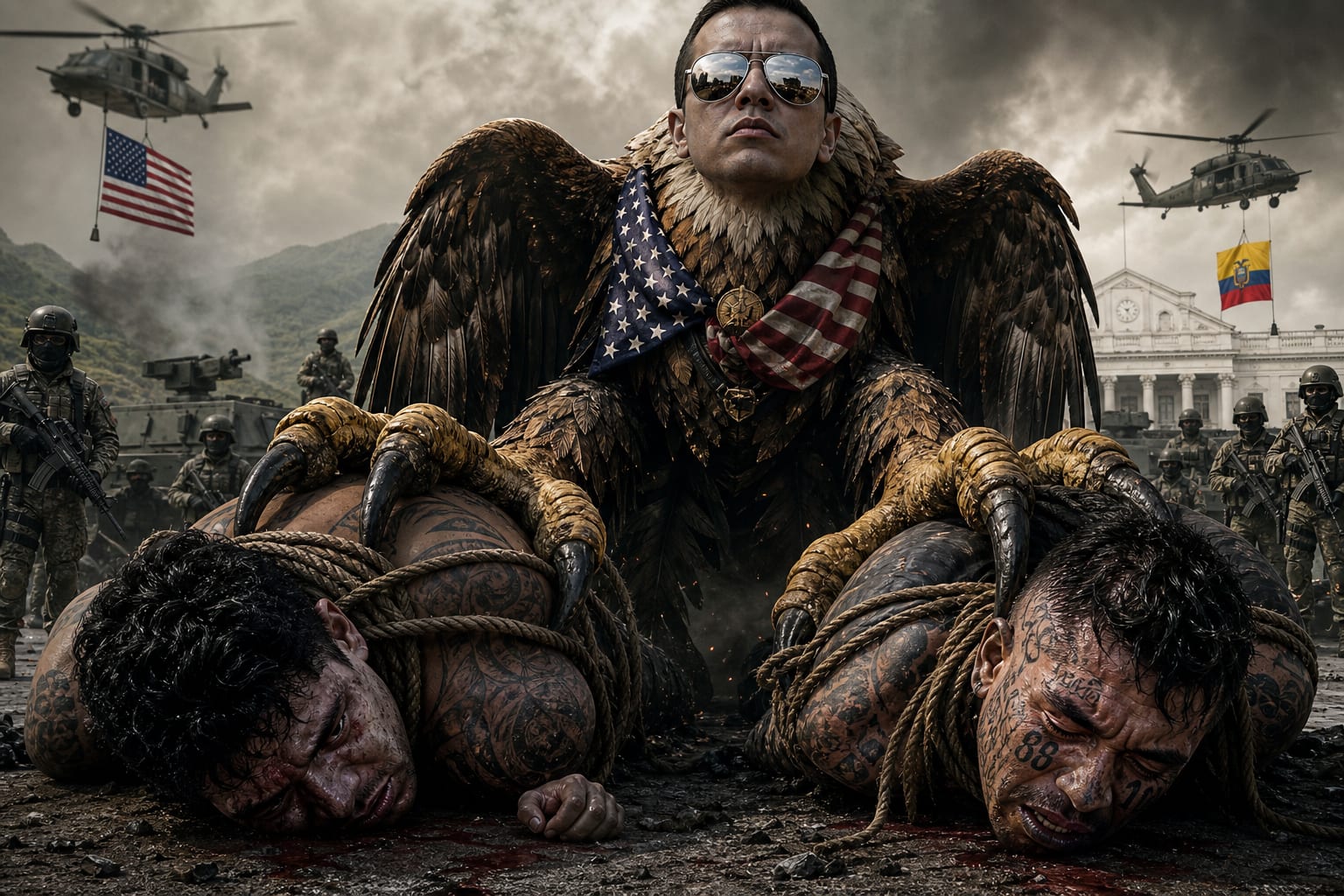
US Moves, Ecuador Celebrates
On July 2, 2026, the US State Department declared the Ecuadorian street gang known as the Chone Killers a foreign terrorist organisation and added it to the list of Specially Designated Global Terrorists. Secretary of State Marco Rubio said the label follows what he called numerous attacks on civilians, police and public officials, including high profile assassinations.
The designation brings sanctions and new legal tools. Washington said it aims to cut the gang’s cash and choke the routes used to ship illegal drugs. The move comes as part of a wider campaign by the administration of President Donald Trump against organised crime in Latin America.
Names, Dates and The Deal
Rubio accused Ecuadorian gangs of helping Mexican cartels move drugs to markets abroad. He pointed to links with cartels in Mexico and said those profits fuel what he called violent narcoterrorists.
The action on July 2 follows a string of US operations in the region. On June 19, 2026 a US strike on a suspected drug-smuggling boat killed three people. On June 22, 2026 a separate strike on another vessel left two dead and left six male survivors under US Coast Guard notice. On June 26, 2026 the United Nations warned of a spike in synthetic drugs, underlining the urgency cited by US officials.
President Daniel Noboa of Ecuador has welcomed the step. Ecuador’s Ministry of Foreign Affairs posted a statement on X thanking the United States for firm support for Noboa’s campaign against criminal organisations. Noboa has imposed curfews and deployed the military to several provinces to try to stamp out gang activity.
What The Label Means For People
The designation is not just diplomatic. It carries sanctions. It can freeze assets and criminalise aid. It gives the US more reasons to share intelligence, to press for arrests, and to pursue suspects across borders.
For Ecuadorians under curfew, the change is immediate. Soldiers in the streets, checkpoints at night, and fear of raids have grown. The government says this saves lives. Critics warn it can turn entire neighborhoods into occupied zones and punish families who already suffer poverty.
The public toll so far is uneven on paper. The State Department cited assassinations and attacks on officials. Local media show arrests and raids in towns such as Durán, where alleged gang members were presented to the press. The human cost includes grief for victims of killings and the fear that more military action will bring more blood.
Why Washington Calls It Necessary
US officials argue the step is part of a larger strategy. Rubio said the designations, including prior moves against Venezuela’s Tren de Aragua and Mexico’s Sinaloa cartel, are intended to disrupt revenue streams that fund violence across the hemisphere.
Washington frames the policy as protection for US streets and for partner nations. Officials say blocking money and movement will reduce drug trafficking and violent attacks linked to gangs that now operate across borders.
A View From The Street And The Region
From my vantage the decision is a double edged sword. You treat a gang like an army and you risk turning poor neighborhoods into battlefields. You cut a leader’s bank account and another appears. You call a criminal a terrorist and you widen the legal battlefield to include military force and international sanctions.
There is history here. Across Latin America the label of terrorist has often changed the rules of engagement. In the name of security the foreign partner gains reach. The local government gains justification for curfews and tanks in towns. The people pay with nights of fear and years of slow justice.
Surprises, Links and Local Color
One detail many outside the region miss is that the Chone Killers take their name from Chone, a canton in Ecuador’s Manabí province. That is farmland and coastal plain, not the lawless frontier some imagine. When gangs rise in places like Manabí it reveals political failure as much as criminal design.
Another surprise is how fast other cases followed. The US has already listed at least two other large groups as terrorists, including Tren de Aragua and the Sinaloa cartel. The pace of designations and maritime strikes in June 2026 show the administration wants quick, visible results.
Opposing Arguments And The Next Steps
The official case is clear. Rubio and Ecuador’s government say this will disrupt drug routes and save lives. They promise deeper US-Ecuador cooperation and tougher action in the provinces under curfew.
Opponents worry the label will militarise a social problem. They say sanctions and strikes can make gangs more violent and push recruitment among young people with no work or schooling. They fear that when security is all fists, the roots of crime go uncut.
Why This Still Matters
The designation matters because it internationalises what was local. It opens the door to cross border arrests, to freezes on money, to more US support for military operations. It also risks normalising a cycle where every new tactic breeds a new threat.
For people in Ecuador the immediate outcome will be on the streets. For the region the outcome will be in shipping lanes and in clandestine money flows. For the United States the outcome will test whether hard power can close markets for drugs without creating new violence.
History shows that naming violence does not end it. It redirects it. The question now is whether governments can use these tools to build justice instead of simply tightening the screws on the same broken neighborhoods that fed the gangs in the first place.