Venezuela Quakes Leave 2,295 Dead, 11,000 Injured and a Health Crisis Brewing
After twin earthquakes on June 24, 2026, Venezuela faces at least 2,295 dead and more than 11,000 injured. Aid teams and 900 U.S. troops arrived, but crowded shelters, no toilets and broken hospitals risk a widening health crisis.
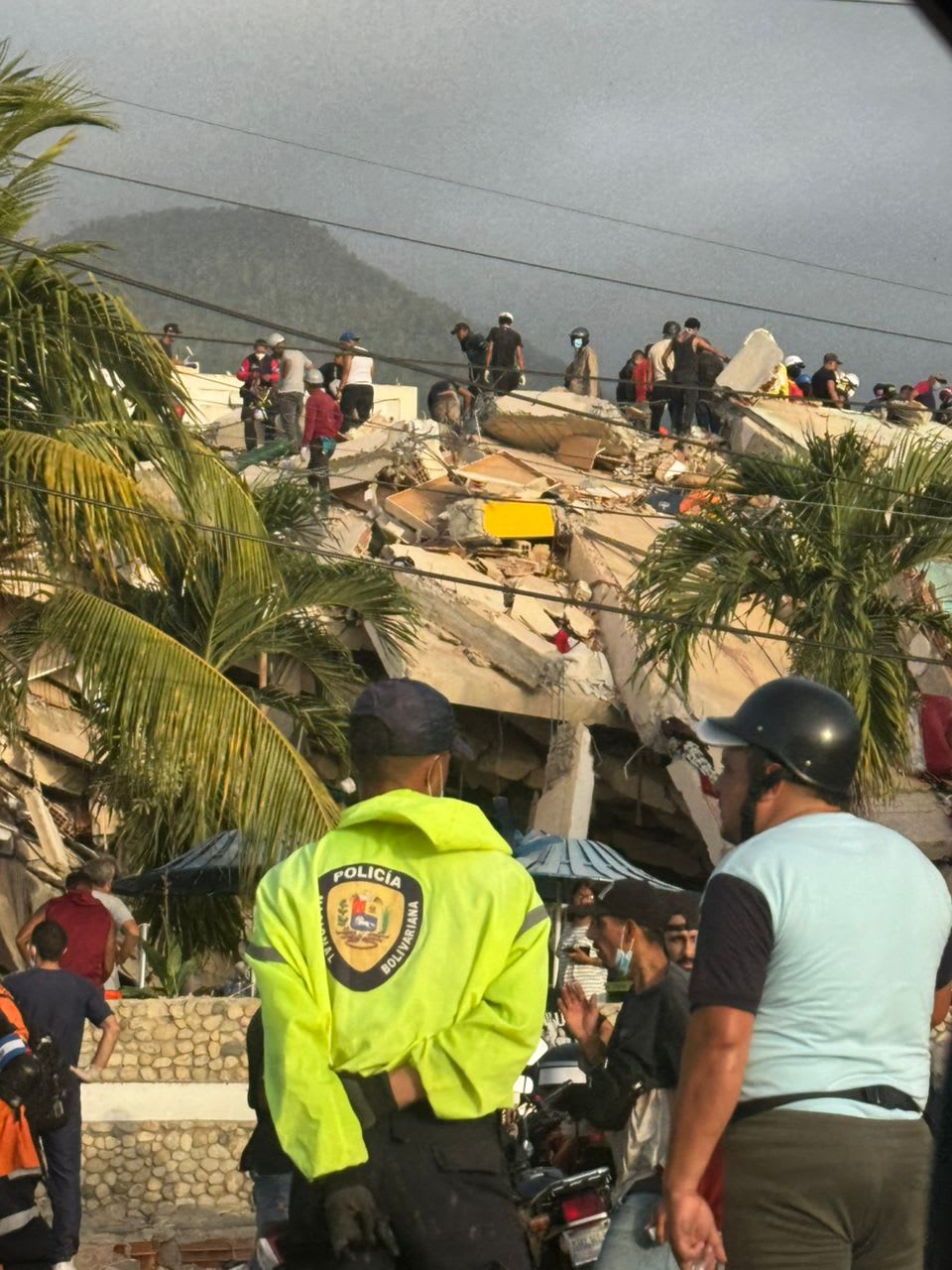
A Nation Turned Into A War Zone
On June 24, 2026, two powerful earthquakes struck Venezuela. Officials said at least 2,295 people died. More than 11,000 were injured.
Thousands of people are sleeping in crowded temporary shelters. Many are outside. Clean water and toilets are missing in many sites.
Eugenio Cova, head of the trauma unit at Hospital Jose Gregorio Hernandez in Caracas, warned of infections. He said the injured face a new threat from disease.
“The issue we foresee just around the corner is the infections that patients who have been exposed to the disaster for the longest time might bring,” Cova said. He added hospitals had already treated complex trauma. Now infections complicate that work.
Aid Arrives but It Is Not Enough
The United States sent about 900 military personnel to help. Steven McLoud, a spokesman for SOUTHCOM, said U.S. forces repaired an earthquake-damaged runway at Venezuela’s main international airport to let in humanitarian aid.
The U.S. also staged naval vessels off the coast and sent 100 people from the State Department to support relief efforts.
President Donald Trump’s administration pledged $300 million in aid. The money is being channeled through aid groups and the United Nations.
About 50 other international teams arrived to help with search and rescue. Teams came from countries such as Ecuador, Israel and Vietnam. A Vietnam rescue team was pictured searching a collapsed building in Catia La Mar.
Rescuers still find survivors. On Tuesday a toddler was pulled from the rubble after six days trapped alive.
But satellite analysis by the United Nations Development Programme estimated more than $6.7 billion in material damage. Aid workers say the scale of destruction is overwhelming.
Hospitals Broke Before The Quakes
The hospitals were weak before June 24. More than 7.7 million Venezuelans have left the country since 2013. Many doctors left with them.
Venezuela’s medical association estimates about one third of its 60,000 registered physicians have left the country. That is tens of thousands of skilled hands gone.
Huniades Urbina, who sits on the board of the paediatrics association, cited a 2025 national survey. He said emergency supplies were short by more than 30 percent. Operating room supplies were short by more than 70 percent.
“Laboratories are all practically closed or do the basic things only,” Urbina said. That means tests and diagnoses are limited just when they are most needed.
Sanitation Threats And Human Cost
In La Guaira, reporters and aid workers said people are already getting sick. Al Jazeera correspondent Teresa Bo said there were many reports of diarrhoea and other diseases at shelter sites.
“They’re asking, for example, for portable toilets, and also help from the government to try to reorganise this place to try to prevent overcrowding, but also the spread of disease,” Teresa Bo reported from La Guaira.
Children were filmed sheltering under tents. Families are clustered in parks, schools and even a golf course that has been turned into a refuge.
Volunteer Kevin Simm compared the scene to armed conflict. “It’s like a scene from a movie or from a war zone. We have never seen this in peacetime,” he said.
Those words matter. They show the human cost beyond numbers. People sleep without clean water. Sick people cannot reach functioning hospitals. Injured people risk infection and amputation if wounds are not treated.
Why This Still Matters
Doctors warn the real emergency may come after the rubble is cleared. Infections could spread in overcrowded shelters with no toilets and no running water. This could turn a disaster into a long running health catastrophe.
The U.S. response and international teams are urgent. But the aid pledged so far is small compared with the damage estimate of $6.7 billion. The presence of 900 U.S. troops and 100 State Department staff is notable. But that alone will not fix broken clinics or replace lost surgeons.
Long term recovery will need functioning laboratories, supplies for emergency rooms and operating rooms, and the return or replacement of specialists. A 2025 survey showed those systems were already hollowed out.
The story will not end when the last survivor is pulled from the rubble. If infections spread, children will grow weak. Mothers will bury more than rubble. The poorest communities will pay the heaviest price.
A Bitter Comparison They Might Not Expect
This is not the tidy disaster scene Americans see on TV. It is not just damaged roads and fallen bricks. It looks like a battlefield where medicine is rationed and the wounded wait on the ground.
In Latin America people know what it means when a golf course becomes a shelter. We saw the same improvisation during storms that flood the coast. The rich clubs become public refuge when the state fails. That detail tells you how deep the collapse is.
So the urgent need is simple. More clean water. More toilets. More doctors. More supplies. And a plan to stop infections before they start.
If aid does not reach the people soon, the death toll will climb not only from concrete and collapsing walls but from disease, from wounds gone rotten, and from a health system that was already falling apart.
The rescue work continues. The world watches. The people suffer. The danger now is invisible and slow. It can be stopped. But only if the help on the runways becomes help in the shelters.